Ethno group 'Sveti Dimitrije' - voices that preserve the song, memory, and soul of the people
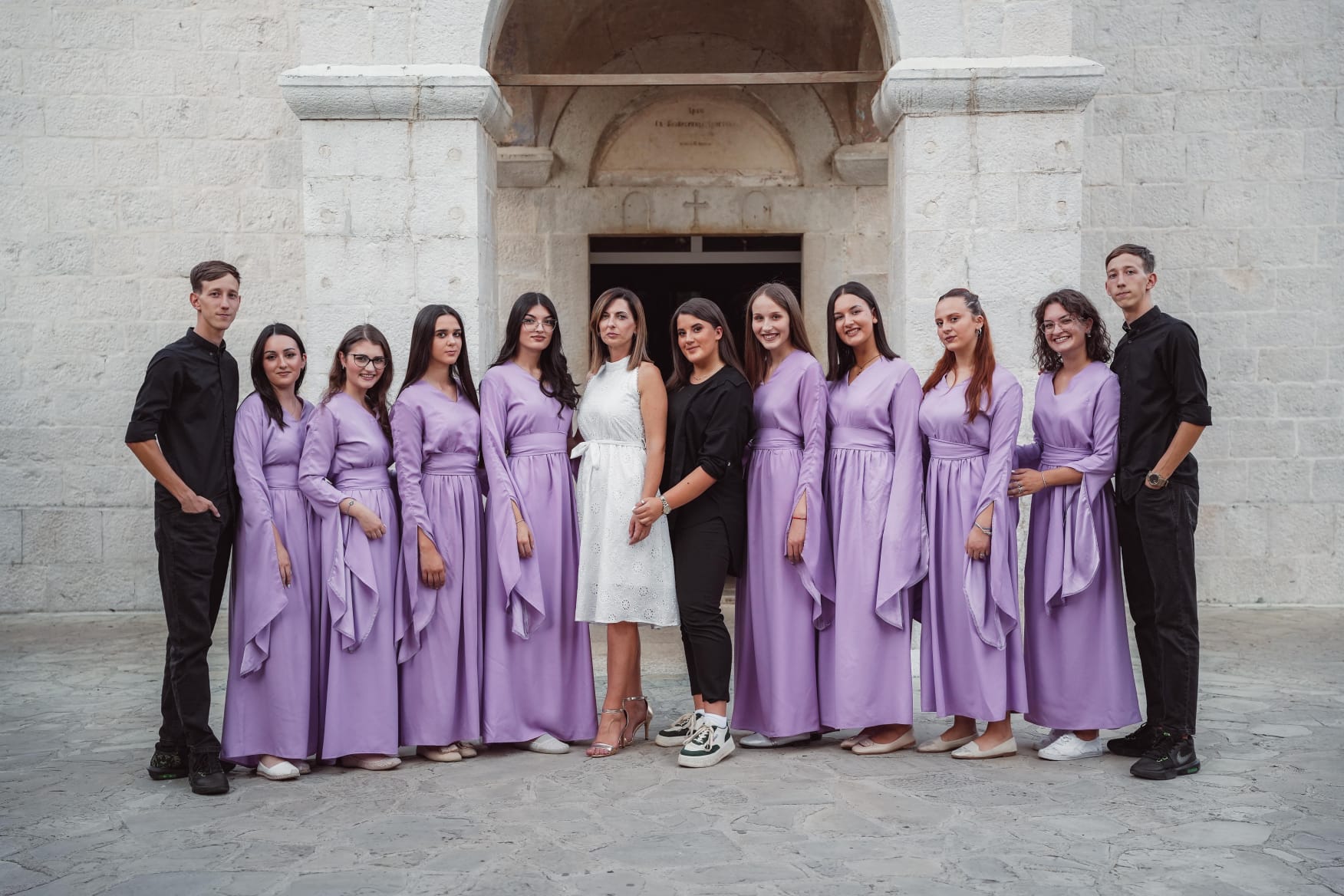
The ethno group 'Sveti Dimitrije' has been preserving original songs, folk narratives, and spiritual-cultural heritage for 25 years. Their concert in the courtyard of the Cathedral Church as part of the Nevesinje Olympics is an opportunity to hear the songs of Herzegovina, Nevesinje, and other Serbian regions, as well as to remind ourselves why folk songs are an important part of cultural memory.
As part of the cultural program of the 151st Nevesinje Olympics, a concert by the ethno group "Sveti Dimitrije" brings an evening of original songs, spiritual heritage, and music that belongs not only to the stage but to the memory of a nation.
The concert will be held on August 5, 2026, at 8:00 PM, in the special ambiance of the courtyard of the Cathedral Church in Nevesinje. This location adds extra solemnity to the event, as traditional songs are performed not just as a musical program but as part of the cultural and spiritual identity of the community.
Twenty-five years of preserving the original song
The ethno group "Sveti Dimitrije" was formed in 2000 with the desire to nurture traditional songs, folk epics, and spiritual-cultural heritage. Over 25 years of work, the group has preserved songs from oblivion through performances, recordings, and public presentations, conveying them to the audience through authentic ethno expression.
Their work is not only musical. It is also research-oriented, custodial, and covenantal. The group collects, remembers, and performs songs that were once passed down orally — from the elders to the younger ones, from house to house, from village to village.
In Herzegovina, and especially in the Nevesinje region, song has often been much more than entertainment. It has been a way to remember an event, praise a hero, mourn a tragedy, preserve the name of a notable person, or describe the beauty of the homeland.
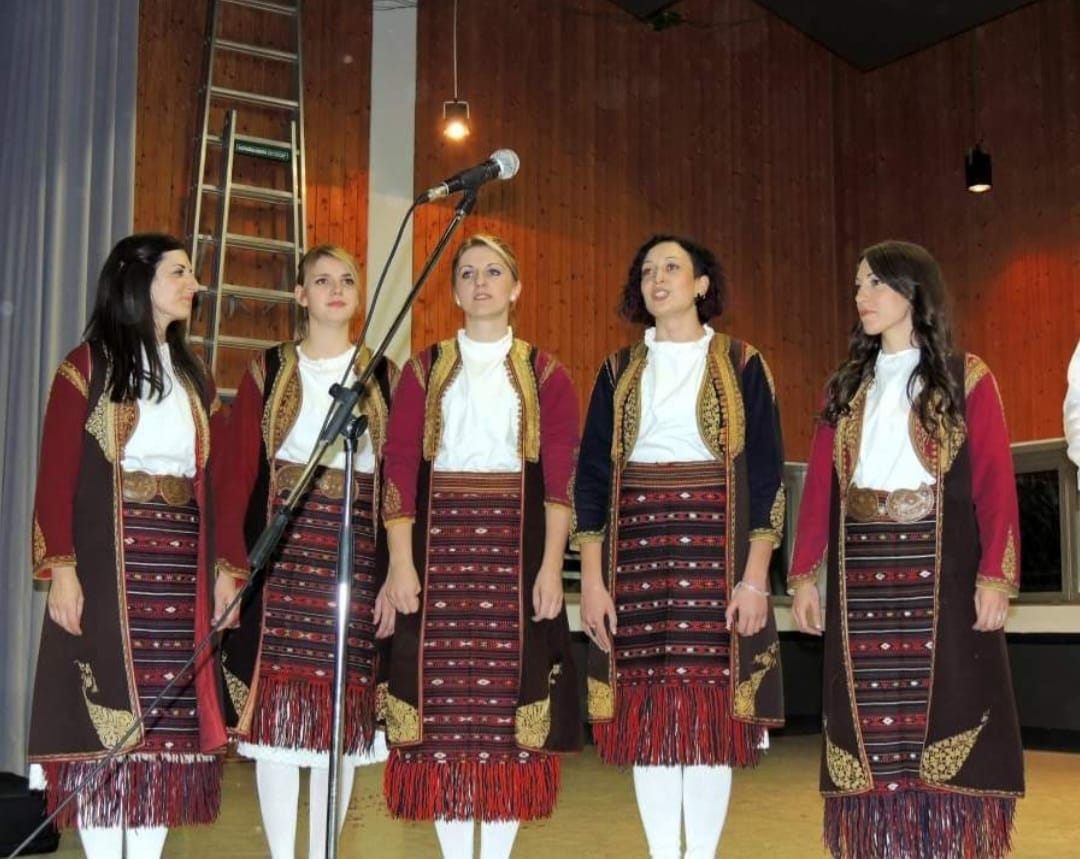
Song as Folk Memory
Once, almost every village and every hamlet had its own songs, chants, and ballads. They preserved stories about the land, families, customs, faith, weddings, departures, returns, heroes, and the people's troubles.
That is why original song is not just a melody. It is oral history.
In a time when there were no media, archives, and digital records, the people preserved what should not have disappeared through song. They sang about the people who left a mark, about places that carried memories, about events that shaped the community.
In those songs lived both joy and sorrow, pride and longing, homeland and fatherland.
Ganga, old melody and female voices
A special place in the musical heritage of Herzegovina is occupied by ganga, ojkača, old songs, women's songs, and melodies that have been passed down through generations. Women's ganga and old songs had a special emotional expression — often strong, simple, and deeply connected to everyday life.
Such songs did not originate in a studio, but among the people. They were created at gatherings, celebrations, harvests, weddings, farewells, in the fields, at home, during long winter evenings, and in moments when words had to become songs.
That is precisely why the work of groups like "Sveti Dimitrije" holds special value. They preserve not only the notes and lyrics but also the way of singing, pronunciation, rhythm, feeling, and the spirit of the time in which the songs were created.
Decasyllable and Epic Heritage
When we talk about folk songs, the decasyllable is indispensable — a verse of ten syllables that was one of the most important forms of Serbian oral epic poetry. For centuries, heroic songs were sung in decasyllable, conveying stories of battles, heroes, vows, sufferings, and significant historical events.
The decasyllable was more than a literary form. It was the rhythm of memory.
With the gusle, through heroic songs and epic expression, the people preserved history and moral order: who was the hero, what was honor, what was sacrifice, and what was a vow. Therefore, the decasyllable cannot be viewed merely as a verse, but as one of the foundations of oral culture.
Although the ethno group does not perform only epic songs, their creativity belongs to the same vast space of folk memory — a space in which the song preserves what would easily disappear without it.
Songs from Herzegovina and all Serbian regions
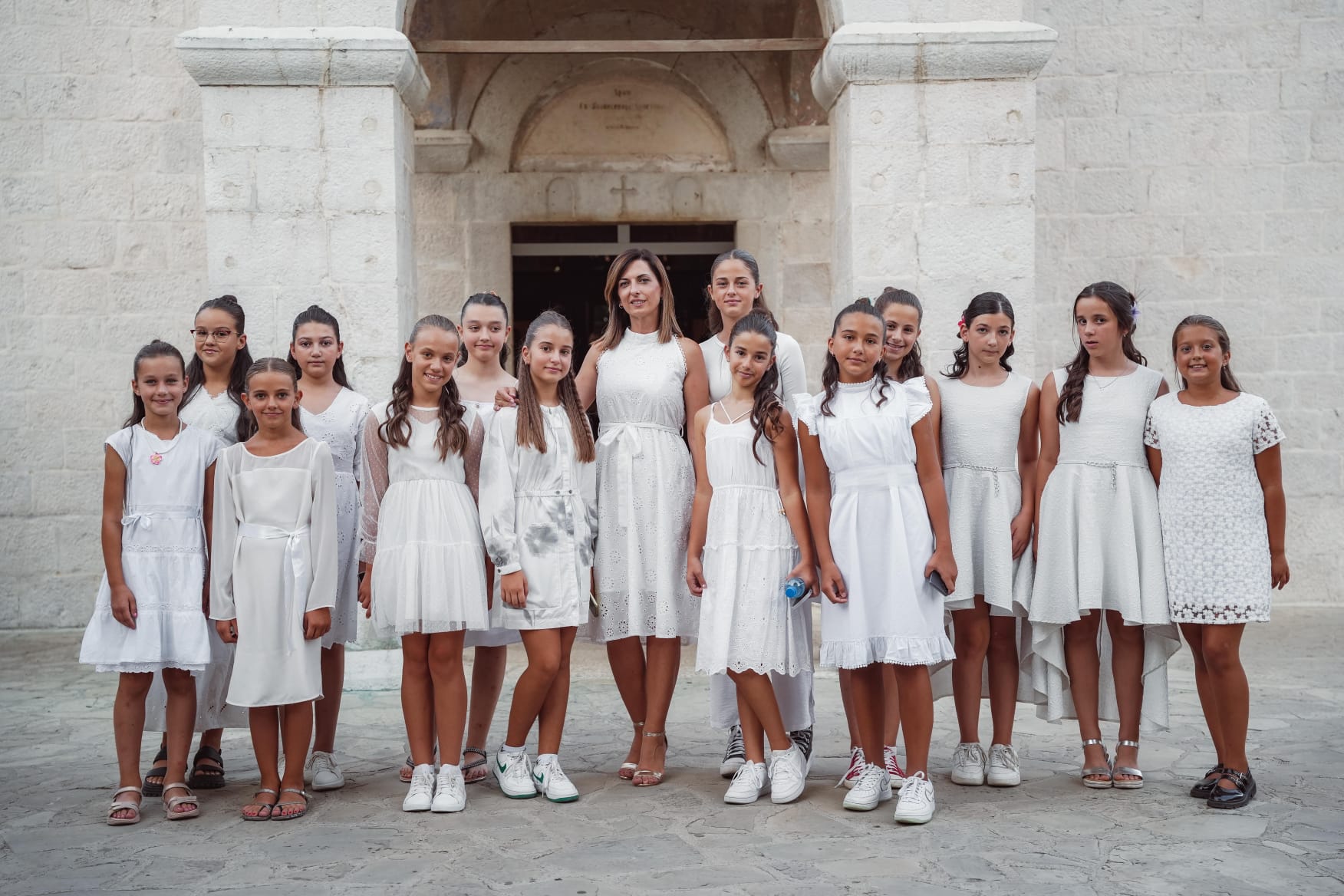
The repertoire of the ethno group "Sveti Dimitrije" includes songs from Herzegovina, as well as from other Serbian regions. Thus, in Nevesinje, through their performances, one can hear songs that carry the spirit of Kosovo, Metohija, and other areas where folk songs have preserved faith, identity, and memory.
This demonstrates an important characteristic of original music: it is always local, but never closed. Each song carries its own region, but through performance, it connects with a broader national and cultural space.
When a song from another region is sung in Nevesinje, it does not suppress the local tradition, but rather complements it. This creates a sense of shared heritage — different regions, different melodies, yet the same need to preserve what is valuable.
Songs That Remain
During its work, the ethno group "Sveti Dimitrije" released an audio CD titled "How Much Strength the Humska Land Has." The album's name is derived from the song of the same name written by our bishop Grigorije, which strongly expresses the spirit of Herzegovina, faith, strength, and a sense of belonging to the Humska land.
The album features, among other things, Nevesinje's gange and bećarci, songs from Bosnia, as well as songs from Kosovo and Metohija. This showcases the group's wide repertoire and the connection of original songs from various Serbian regions — from Herzegovina and Bosnia to Kosovo and Metohija.
A special place in their work is held by songs that they later performed and presented to the audience, such as "Welcome Mitrovdan" and "Svetosavlje." The song "Welcome Mitrovdan" was written by Asim Sarvan and is dedicated to the heroes of the Mitrovdan offensives. The song "Svetosavlje" was written and melodically shaped by Goran Duka, while the ethno group "Sveti Dimitrije" gave these songs a special emotional and spiritual expression through their performance.
Through these songs, the group preserves the spirit of Herzegovina, faith, memory, and a sense of belonging. Their performances remind us that traditional and spiritual songs are not something that belongs only to the past. They live as long as there is someone to sing, listen, learn, and pass them on.
In an era of fast information, short content, and music that quickly emerges and fades away, original songs remind us of slower and deeper memory. They demand attention, peace, and respect for the words.
That is why the concert of the ethno group "Sveti Dimitrije" is not just a musical event. It is a meeting with a tradition that has survived because people have carried it in their voices, memories, and hearts.
Each sung song is a small act of preserving cultural heritage. Every performance is an opportunity for younger generations to hear what they might no longer have the chance to hear from anyone.

Nevesinje Olympics as a Space for Preserving Tradition
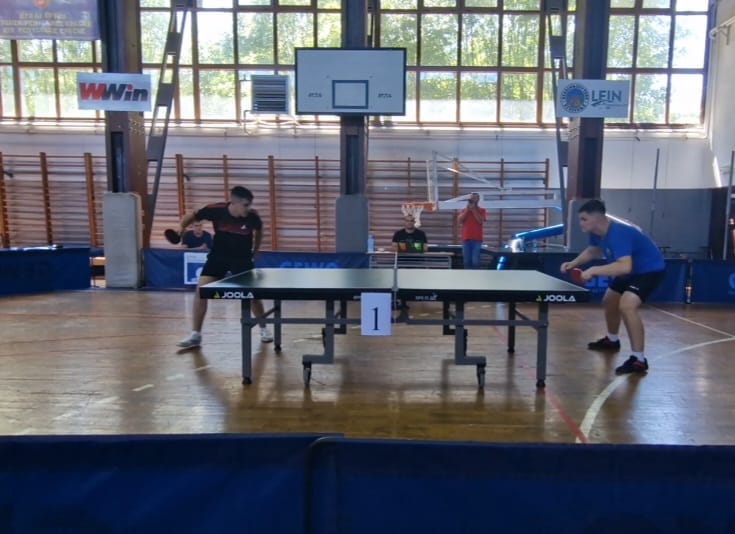
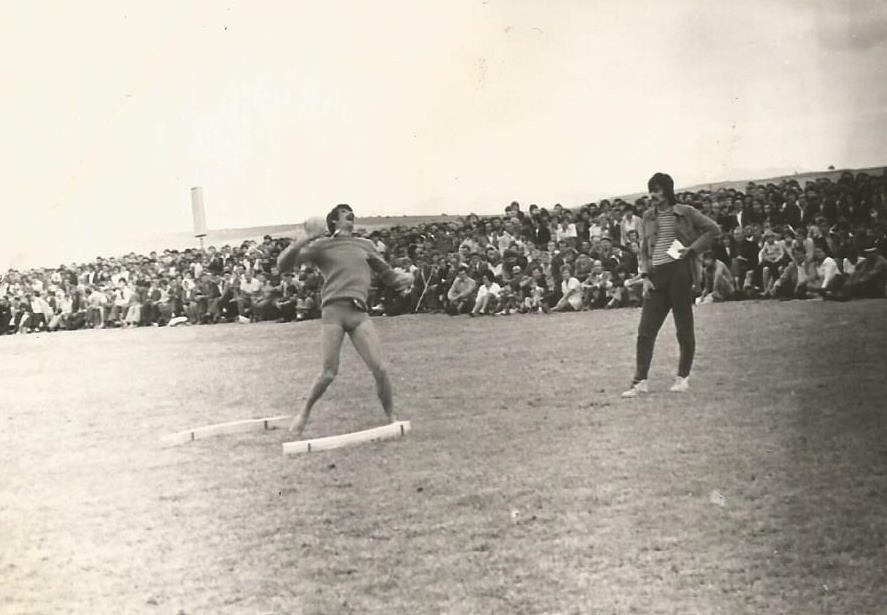
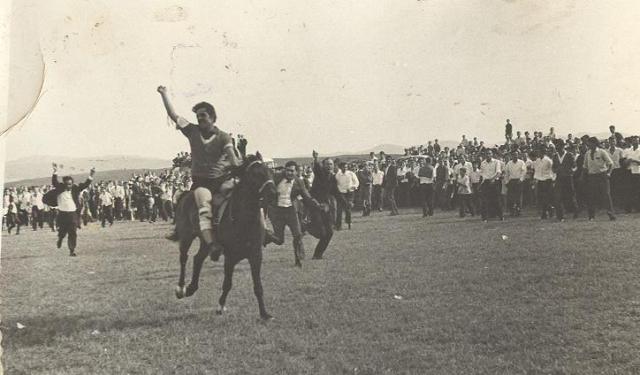
Nevesinje Olympics is not just a sports event. It is also a space where customs, songs, dances, faith, meetings, and folk gatherings are preserved. That is why the concert of the ethno group "Sveti Dimitrije" has a natural place in its program.
While sports events showcase strength, speed, and competitive spirit, traditional songs demonstrate another kind of strength — the strength of memory, community, and belonging.
In the courtyard of the Cathedral, through the voices of the ethno group, Nevesinje will once again hear songs that connect the past and the present, the homeland and the people, the individual and the community.
August 5, 2026, at 8 PM. Entrance of the Cathedral Church